Building Power Online: How Movements Use, Lose and Own Digital Space
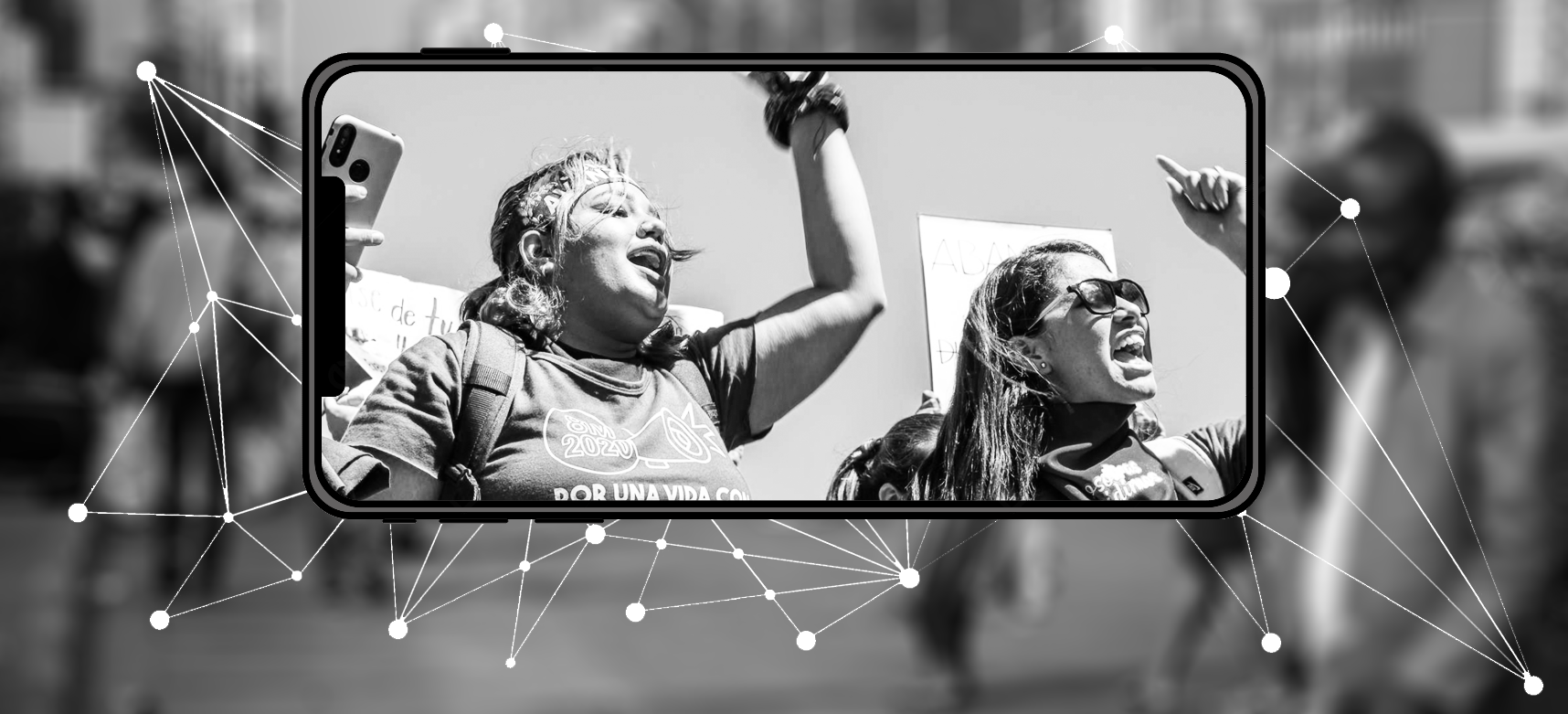
How do social movements and civil society organisations harness digital tools to build power and organise effectively—even when repressive governments and mainstream platforms expose them to surveillance, censorship, or network shutdowns?
This workshop brings together movement leaders, digital activists, researchers and policymakers to examine the strategies civil society uses to keep digital spaces open. Grounded in real-world practices rather than abstract theory, we draw on cases from across the Kenya, Zambia, Palestine and Jordan to explore how movements adapt, build work arounds, and use community-driven technologies - and how donors and allies can offer meaningful support. The workshop is part of the minifestival Digital Democracy Days, that takes places in Copenhagen, Aarhus, and Online from 5 to 8 October, 2026
Program Overview
15:00 – 15:10 | Opening Remarks
15:10 – 16:00 | Panel: Navigating Digital Suppression & Platform Power
A discussion featuring representatives from protest movements, digital partner organisations, Danish Media and movement support organisations, and MFA. Speakers will share perspectives on internet shutdowns, algorithmic bias, tech-policy gaps, public interest tech and the legal frameworks connecting Danish advocacy with global digital rights.
- Nadim Nashif, Director 7amleh, DDI Advisory Board
- Brian Malika, One More Percent, DDI Advosory Board
- Louise Lund Henneberg, Deputy Tech Ambasador, Danish Ministry of Foreign Affairs
- Nievas Molina, Chief Adviser Danish Institute for Human Rights, expert on international law and technology
Moderated by Vukasin Petrovic, Strategy Expert and Senior Movement Specialist, ActionAid Denmark MOVE
Bio - see the end of the event description
16:00 – 16:10 | Break
16:10 – 17:00 | Breakout Sessions
Participants can choose one of two focused, interactive conversations to discuss practical solutions based on real cases:
1. Organising Under Digital Restriction: From Zambia to Jordan
Hosted by Mellemfolkeligt Samvirke / MOVE
Focusing on how movements organise and maintain momentum when governments restrict or block network access. Looking at real cases, including walkie-talkie apps on 2G networks during Kenya’s Finance Bill protests and Discord-based coordination in Nepal, we discuss low-bandwidth tools, VPN strategies, safe financial support structures and practical digital organising strategies for operating in difficult digital environments and how to best support these.
Panelists:
- Villy Nawa, Movement specialist and former movement leader Y4P (Zambia)
- Safaa Ali Sarayrah, DDI advisory board member and digital safety and security consultant (Jordan)
- Marton Kocsev, Stellar Development Foundation, Crypto for Development
Moderated by Andreas Grarup Nielsen, Senior Movement Specialist MOVE
2. Tech Policy, Censorship & Algorithmic Discrimination
Co-hosted by 7amleh, Oxfam Denmark & International Media Support
Examining how tech-policy gaps and automated moderation impact human rights defenders on the ground. Drawing on examples from Palestine and beyond, this session explores how international allies can actively advocate for tech platform accountability and address systemic algorithmic bias.
- Nadim Nashif, Director 7amleh, DDI Advisory Board (Palestine)
- Magnus Ag, Head of Public Interest Tech, International Media Support,
- Haitham Dahboor, Senior Program Officer, from JOSA (Jordan Open Source Association)
Moderated by Jonas Devantier, Oxfam
17.00 - 17.15 Joint closing and recommendations
Bios:
Nadim Nashif is a digital rights advocate and social entrepreneur, founder and Executive Director of 7amleh – The Arab Center for the Advancement of Social Media, which works to promote and protect Palestinian digital rights. He is also the founder and publisher of Sabra, an independent Palestinian media platform. Nadim is a member of the Advisory Board of the Digital Democracy Initiative (DDI) , as well as the Global Reference Group of Deutsche Welle Akademie. He previously served as a policy analyst with Al-Shabaka, co-founded Untold Palestine, and founded and directed Baladna.
Brian Malika is a Kenyan youth advocate, community development practitioner and writer working at the intersection of digital democracy, human rights and technology. He is the founder and convener of One More Percent, a youth-led civil society organisation advancing digital rights, peaceful assembly and inclusive civic participation.
Brian has been closely engaged with Kenya’s youth-led civic movements, including the Gen Z protests, exploring how platforms such as X, TikTok and Instagram have transformed mobilisation while also exposing activists to surveillance, censorship, disinformation and digital repression. His work brings Global South perspectives to debates on technology, power and democracy.
Louise Henneberg is the Acting Director within the Office of Denmark’s Tech Ambassador at the Danish Ministry of Foreign Affairs. The Office works for international technology development that benefits Denmark and Europe, while delivering solutions to global challenges in a safe and responsible manner.
She previously served as a Senior Advisor and team leader of the International Quantum Hub within the same department. The hub was established as part of Denmark’s national strategy on quantum and focuses on the country’s strategic international quantum partnerships. Louise and her team have worked to strengthen Denmark’s bilateral, regional and multilateral engagement on quantum across fora such as the EU, NATO, the Nordics and the UN.
Before commencing this role, Louise was posted at the Permanent Representation of Denmark to the European Union where she served as a Danish delegate to EU Council working groups which covered cyber-diplomacy, hybrid threats and new technologies.
She joined the Ministry of Foreign Affairs of Denmark as a diplomat in 2017 and has worked on a number of policy areas including security and defense policy cooperation as well as humanitarian affairs.
Louise holds both a Master’s degree and a Bachelor's degree in political science from Aarhus University.
Zaid Dajani is the Business Development Officer at JOSA, supporting the organization's growth and sustainability. With a background in operations and nonprofit management, he leads grant writing, proposal development, and fundraising strategy, and manages relationships with donors and partners. He also works across JOSA's digital security, data science, and digital social innovation programs to develop new projects and partnerships in the WANA region.
Nieves Molina-Clemente is a senior international lawyer with over 20 years of experience in conflict zones, humanitarian law, and human rights protection. In leadership roles with the United Nations, she oversaw programmes and accountability mechanisms across eight countries, including Afghanistan, Iraq, Somalia, the Democratic Republic of Congo, Venezuela, and Rwanda.
Currently Chief Adviser at the Danish Institute for Human Rights, she manages technical assistance programmes on international law and digital rights, accountability and advises on the intersection of technology, and IHL and Human Rights violations.